|
1873: "James Harrison", who had successfully demonstrating that meat preserved in a frozen state for several months remained entirely safe and edible.
Shown that it could be maintained in a frozen condition for long enough to be shipped to England.
At the Melbourne Exhibition, he was awarded a GOLD MEDAL for his contribution to the Industrial Revolution.
1876: "James Harrison", made world’s first attempt to export frozen meat to England
A trial shipment was loaded onboard the Norfolk. But the ship was fitted with a type of ice chest, rather than mechanical refrigeration equipment.
It was not enough to maintain the meat in a frozen condition through the tropics, and failed.
1879: First successful frozen meat voyage to London, following this success
1882: Australian Frozen Meat Export Co. constructed Victoria's first dedicated slaughter and freezing works at Newport
1908 Just 26 years 3 Local entrepreneurial visionaries commenced a feasibility study,
1911 just 3.1 years later the complete plant was completed. Murtoa WIFW shipped out its first Train load of carcasses. Becoming a vital part of the state's in the booming meat export and freezing industry. Processing, building up to over a million carcasses annually.
Why this history matters today
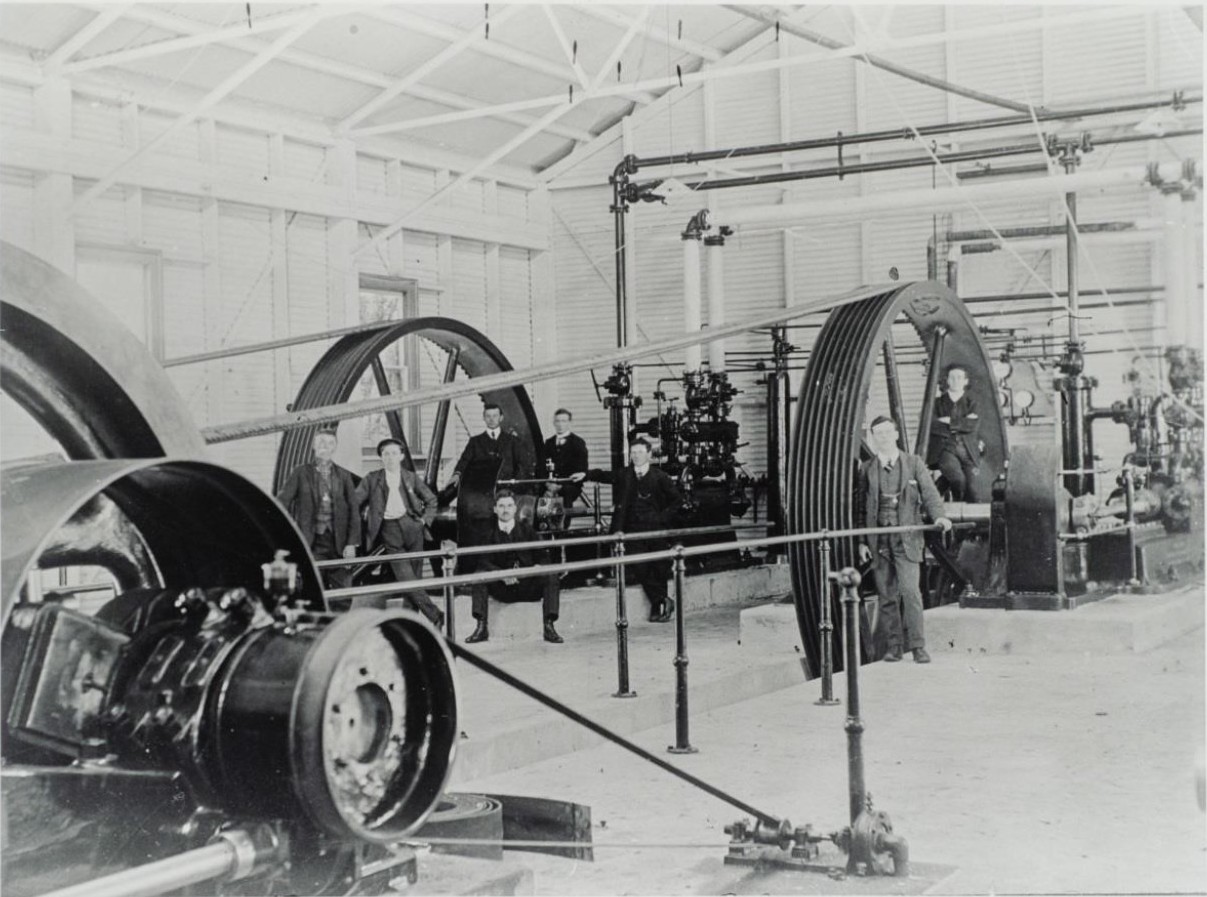
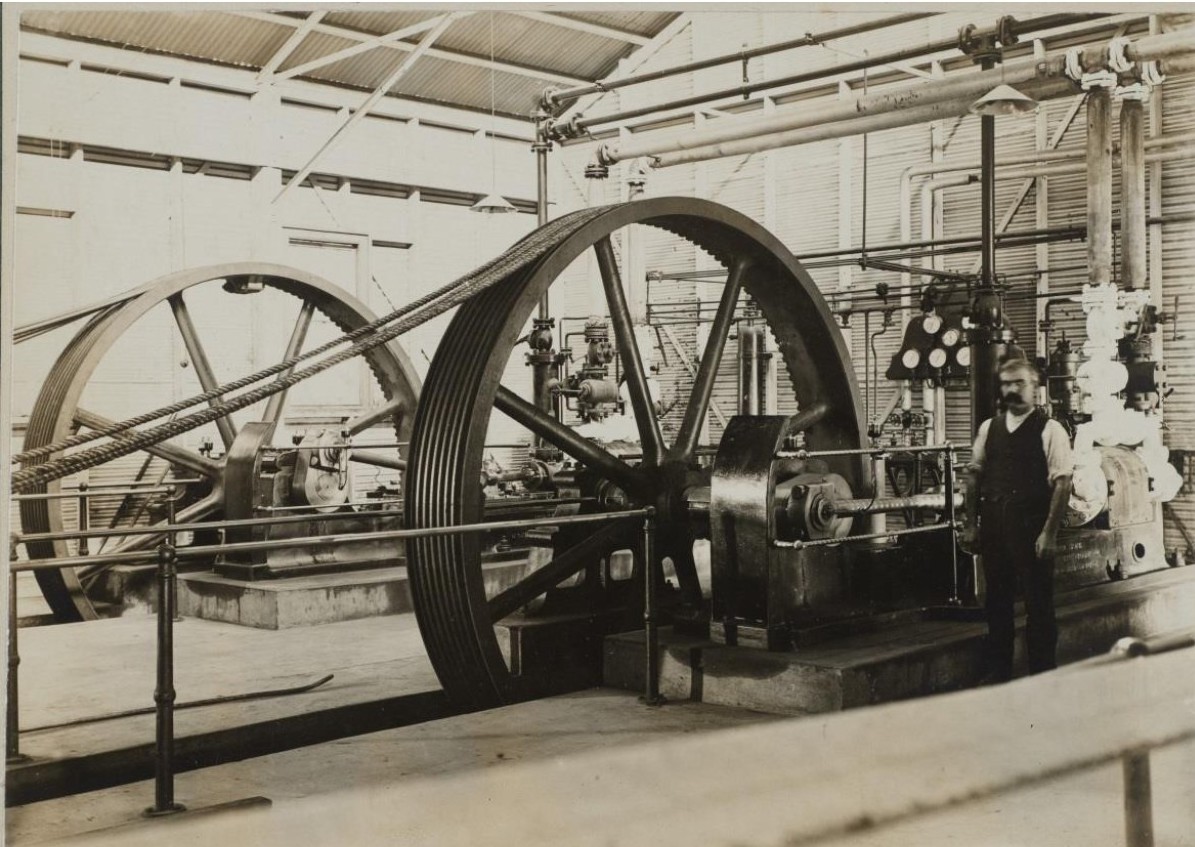
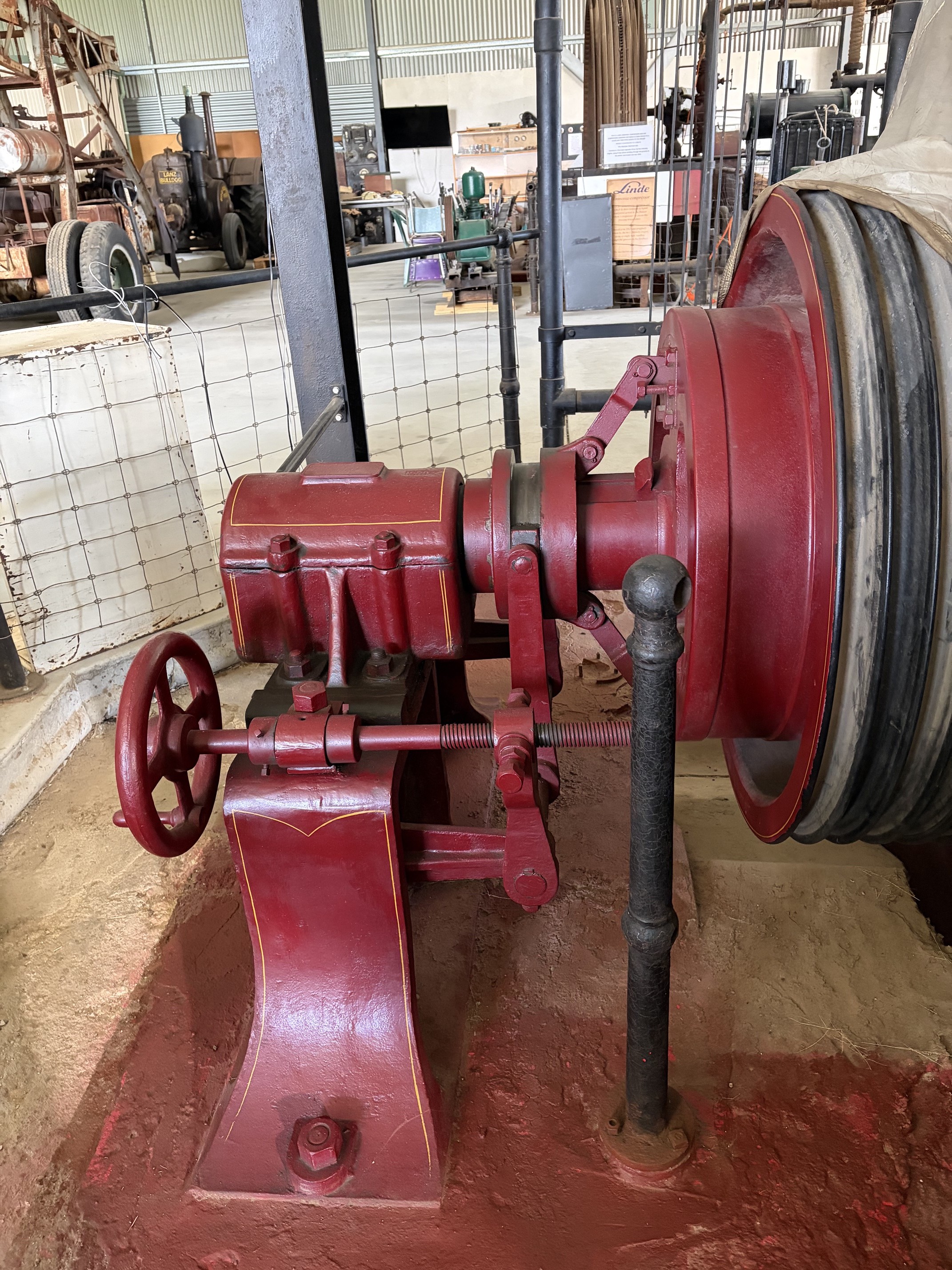
Two of these massive Linde units had been installed
at Murtoa Inland Freezer Works
Machines like Harrison’s and Linde’s have:
Made it possible to store and ship fresh meat and produce over long distances, creating new industries
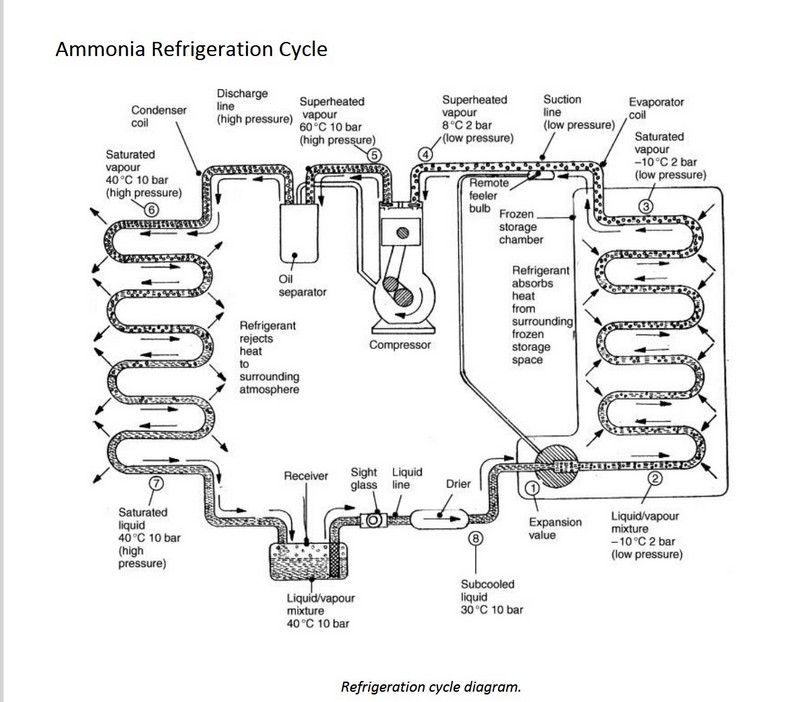
While the technology has evolved, the basic principles used in modern refrigerators and air conditioners are the same ones Harrison pioneered in the 1850s.
Why this history matters today
Refrigeration is now so ordinary that it’s easy to forget how transformative it was.
Supported the development of modern beer and wine industries through controlled cooling
Helped create today’s global cold-chain logistics, which keeps food safe and reduces waste
Enabled advances in science, engineering and human health and well-being
Harrison’s commercial ice-making and refrigeration work is widely acknowledged as a key contribution to that story –
and and likely Australia’s only contribution to the Industrial Revolution.
The Linde Machine Project celebrates this legacy in a tangible, public way.
Fundraising for the Linde Machine Project
The Linde Machine Project is a community-led initiative based at the Geelong Showgrounds.
Fundraising target: $120,000
Already raised: $74,000 (as of November 2025), thanks to generous supporters who value James Harrison’s legacy and the preservation of vintage machinery
These funds will support:
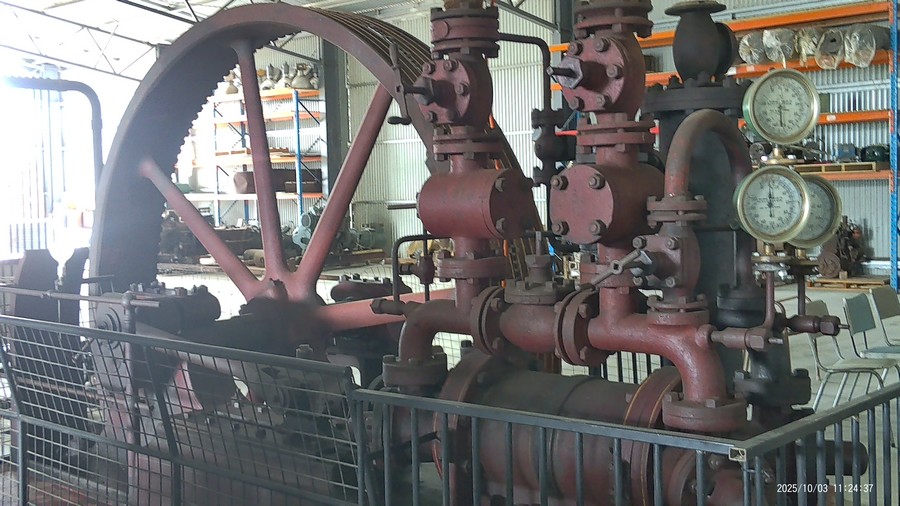
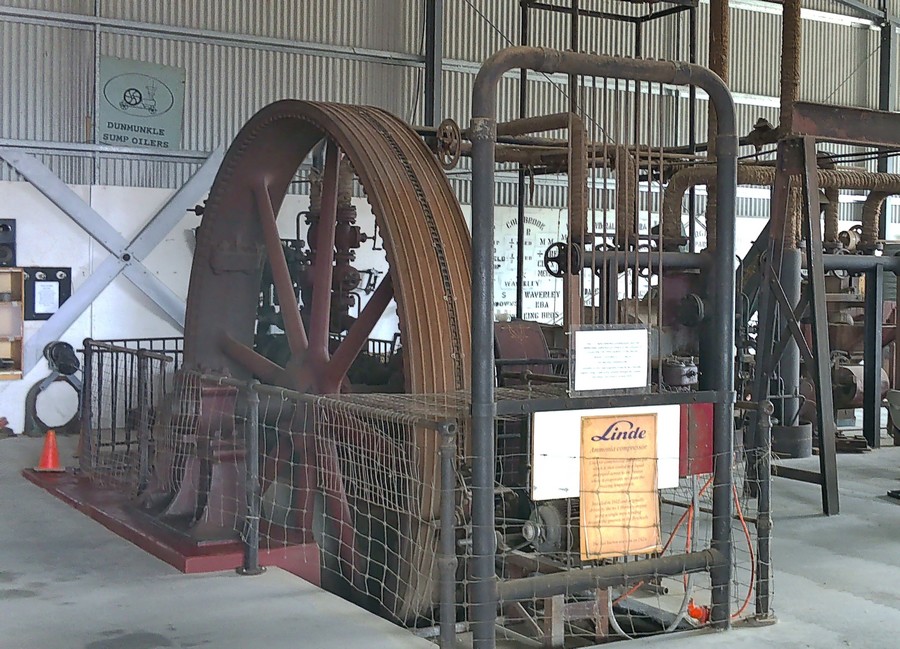
Conservation and preparation of the surviving Linde machine
Construction of the engineered plinth and foundations
Transport, installation and painting
On-site interpretation so visitors can understand the machine’s story and its connection to Geelong
Modern industries that depend on world-changing refrigeration and heat-exchange technology – freezing works, cold-chain food transport companies, refrigeration contractors, and businesses that manufacture and sell air conditioners and heat pumps – are especially encouraged to contribute, alongside individuals and community groups.
|